When alarms sound and smoke sneaks under the door, concept becomes muscle memory. The very first faces people seem usually wearing the chief warden hat, and what occurs in the next three mins tends to establish the tone for the whole occurrence. PUAFER006, Lead an Emergency Control Organisation, sits at the heart of that minute. It focuses on practical leadership, control with emergency situation solutions, and making decisions that shield life and limit damage. I have trained wardens who took care of discharges in much less than 4 minutes in intricate multi-tenant websites, and I have checked out near-misses where confusion added important minutes that no one can manage. The distinction hardly ever boils down to devices or laminated strategies. It boils down to people trained to lead, and frameworks that sustain them.
This post distills lessons from chief warden training, cross-references with the facts of PUAFER006, and incorporate the foundation provided by PUAFER005, Operate as Component of an Emergency Situation Control Organisation. If you run fire warden training, take care of a center, or function as a chief emergency warden, the objective is straightforward: entrust to a more clear feeling of what to drill, what to determine, and exactly how to lead when the air is thick and the clock runs fast.
The ECO is a team sporting activity, leadership is the playbook
An Emergency Control Organisation (ECO) is greater than a lineup of names. Succeeded, it is a living system. PUAFER005 builds private capacity for wardens: door sweeps, area checks, interacting with owners, aiding people that need help, and fundamental use tools like warden intercom phones. PUAFER006 layers incident management in addition to that, which means the chief warden coordinates the moving components, establishes pace, and adapts the plan to the scene.
I motivate facilities to stop thinking of the ECO as a pecking order for its very own sake and start assuming in terms of functions that create decision clarity. On the day something fails, it must be distinct that is the chief warden, that leads each floor or area, that handles interactions, and that functions as deputy prepared to step in if the chief is cut off or disabled. When everybody recognizes that framework, the chief warden's voice can lead hundreds without shouting.
In practical terms, the chief warden usually develops a control factor, confirms the alarm system type and area, launches investigations, and afterwards triggers an organized reaction. Do not hurry straight to full discharge if your procedures and regional codes allow assessment first. Many alarm activations are real cautions with benign reasons. puafer006 That claimed, the chief fire warden need to be comfortable pulling the large bar the moment a risk is verified or presumed with affordable cause. Doubt is far more dangerous than a false alarm, specifically for fires that can flash over in minutes.
The colours on the hats are not decoration
People ask about fire warden hat colour far more than you may expect. That is not vanity. Visual cues matter under stress. In lots of Australian workplaces, wardens put on red safety helmets or caps, and the chief warden hat is white. The chief fire warden hat colour additionally indicates to participating in firemans whom to come close to on arrival. You do not require helmets for each drill, however, for online incidents and huge exercises the colour-coded headwear makes instructions less complicated to adhere to. If your office uses tabards or vests rather than headgears, maintain the same technique regarding colour and markings so personnel and site visitors can recognize the chief warden and flooring wardens at a glance.
The job before the work: pre-incident prep work that really pays off
Chief warden training typically gets lowered to a list. I choose two tracks: develop the muscle mass, then check the judgement.
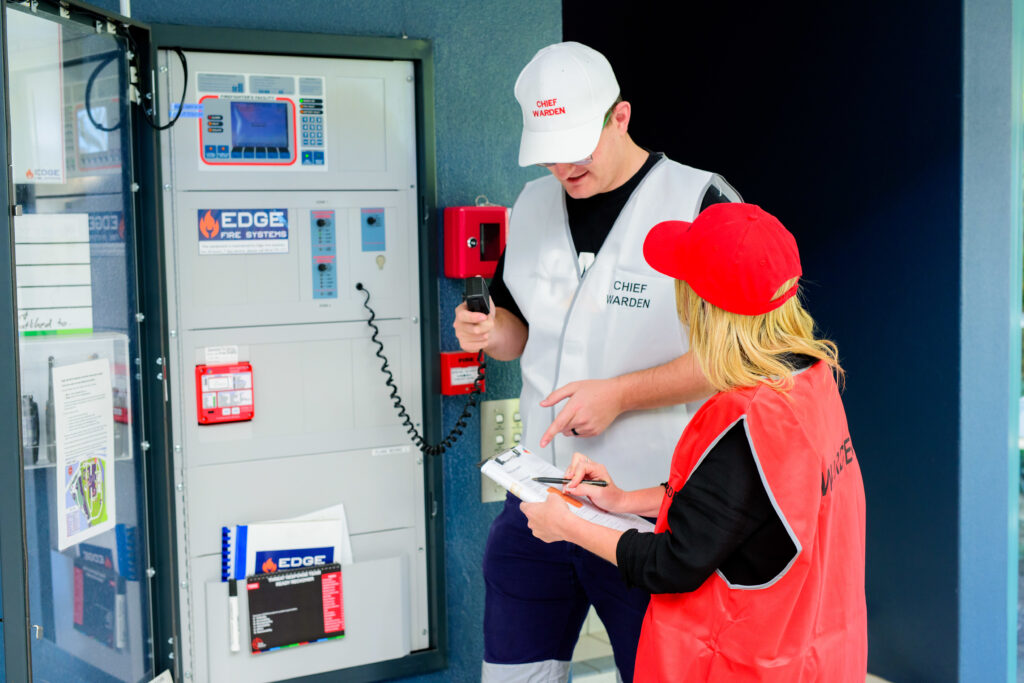
Start with facilities proficiency. A chief warden needs more than a passing experience with the emergency situation warning and intercommunication system, discharge layouts, stairway pressurisation if applicable, smoke doors, and any kind of fire indicator panel. Know what "silence", "recognize", and "leave" functions do in your structure, not simply theoretically. On one website, the chief warden assumed a panel zone isolate would silence sounders on a lessee flooring for testing. It suppressed a vital detector rather. We fixed that with targeted walkthroughs and annotated images in the control folder.
Next comes people mapping. Fire warden requirements in the workplace consist of understanding occupant profiles: movement, hearing, or vision requirements, language assistance, and high-risk processes like warm works or research laboratories. Keep a vibrant listing of individuals that need aid, with privacy controls. One of the most workable model uses wardens appointed to people rather than depending on ad hoc great intentions.
Training must after that relocate past classroom slides. A solid warden course blends PUAFER005 for wardens and PUAFER006 for primary wardens, with scenario-based workouts. As an example, run a drill where a stairwell is smoke-logged in the scenario, so the chief fire warden should reroute evacuation circulation to the additional departure. Include a curveball such as an obstructed fire door or a lift that continues servicing despite recall, which can happen with damaged interfaces. This is where the chief warden responsibilities materialize: making the telephone call to divert, interacting adjustments plainly, and recording the reason afterward.
The first 5 minutes: a dependable rhythm
In most cases the initial five minutes establish the rest. A disciplined rhythm aids. Consider it as situate, examine, determine, and communicate. If the structure is large, delegate evaluation tasks immediately.
Here is a small activity sequence I have seen work throughout health care, business workplaces, and education universities. Treat it as a design template to adjust, not scripture.
- Assume control at the Emergency Control Centre or determined control point, determine on your own as chief warden, and begin a running log with times and actions. Confirm alarm details at the panel or through building automation, dispatch the closest warden to explore if secure, and demand updates on radio at established intervals. Prepare to escalate: notify emergency services if called for by the alarm system type or site policy, and pre-alert flooring wardens to wait for discharge or shelter-in-place instructions. Decide on action based upon evidence and threat resistance for your occupancy, then start a partial or complete emptying, or a regulated return if a false alarm is verified and problems are safe. Maintain interactions: upgrade owners via PA or voice alarms, encourage reacting fire solutions at arrival with a succinct quick, and track warden reports to verify all areas are cleared.
That is the initial of two checklists in this short article, and it gains its area because repetition builds speed. The rhythm tightens choice tiredness when adrenaline is high.
Communications that punctured noise
Incident management lives or passes away on clear communication. PUAFER006 emphasises structured messages. The voice over the PA should be tranquil, slow, and straight. In multi-tenant structures, stay clear of jargon. People need to recognize what to do and where to go, not technical information. If you state "leave using the eastern staircases", anticipate half the building to be reluctant unless the east stairs are clearly marked on every floor. Take into consideration adding primary instructions on layouts near departure doors, or basic calling like "stairways near lifts" and "stairs near kitchen area".
Radios utilized by wardens require technique. Short transmissions, telephone call indications, and readbacks prevent mistakes. In a loud room you will not listen to captions. Establish a requirement like "Floor 12 Warden to Chief, smoke noticeable in printer room, starting move, will certainly report all-clear or fire situated within two mins." Principal responds with "Replicate Floor 12, two-minute upgrade expected." It sounds formal in print, but on the day it minimizes frenzied back-and-forth that loses seconds.
For external sychronisation, the chief warden or delegate greets fire teams curbside with a succinct brief: alarm beginning, detector or lawn sprinkler activations, zones left and verified, any type of missing person reports, and recognized dangers like gas cylinders or lithium battery storage. Bring the fire indicator panel printout if offered and a map noted with current standing. This handover earns depend on swiftly and keeps crews concentrated on where they can add one of the most value.
Evacuation style is a choreography problem
An excellent plan takes into consideration circulation price, congestion points, and human propensities. Individuals attempt to leave the method they got in. If the primary entrance hall is obstructed, they lose time unless wayfinding is solid and wardens are positioned in advance of the crowd. Startle discharges when possible, specifically in skyscrapers or health centers, where full movement at one time can develop crush risks. The chief fire warden duties consist of selecting the appropriate evacuation technique for the hazard: prompt and complete for fast-moving fires, organized for non-fire cases or where sanctuary areas are safer, or straight evacuation in medical care settings.
I once enjoyed a drill where every person funneled to one stairwell due to the fact that the various other was secured at a mezzanine touchdown. The effective lesson was not "unlock the door." It was "test every door on the course, whenever." Door equipment changes. Tenants bring furnishings also near exits. A single plant display screen can tighten a hallway enough to slow down a group. Consist of these checks in your periodic warden training.
Differences in between PUAFER005 and PUAFER006 that matter
It aids to be explicit regarding division of duty. Wardens trained under PUAFER005 operate as part of an emergency control organisation. Their quick is to accomplish instructions, move locations, aid occupants, record condition, and utilize neighborhood understanding. PUAFER006 adds command duties: determining the preliminary feedback, working with wardens, choosing under unpredictability, communicating with emergency situation services, and controlling the return to normal.
Where some chief warden programs go wrong is thinking experience as a floor warden automatically converts to management under pressure. It seldom does without technique. Chief warden training ought to include decision-making under insufficient info, triaging synchronised reports, and recognizing when to move from examination to evacuation.
Human variables: stress, group habits, and the peaceful individual in the corner
Real cases advise you that panic is uncommon but complication prevails. Individuals freeze at their workdesks, especially if alarms are constant and normally benign. The chief warden requirements consist of countering complacency. Use voice announcements that mirror the gravity of the scenario without theatrics. Also an easy "This is not a drill" modifications behavior. Appoint wardens to sweep areas deliberately, and need physical checks of washrooms, meeting rooms, and duplicate rooms. In one office evacuation I observed, two individuals with noise-canceling headphones worked through the first three minutes. A warden unlocking and making eye contact resolved the problem.
Remember the quiet person who needs help. Emergency warden training should cover exactly how to approach a person who hesitates to relocate, whether because of stress and anxiety, wheelchair obstacles, or cultural problems. Practice accompanying down stairs utilizing group methods and accepted equipment if your site has emptying chairs. It is far better to rehearse with empty chairs and corridors than to improvise with a real person and a jampacked stairwell.
Documentation that functions under pressure
If your emergency strategy lives only in a policy folder, it will certainly fail you. Put functional extracts where wardens work: laminated quick-reference cards at the warden control phone, a published list in the chief warden go-bag, and a digital duplicate available offline. Ensure your maps show existing fit-out, with fire indication panel areas matching floor plans. I keep a habit of composing time-stamped decisions on a single A4 sheet throughout cases. Later on, this becomes the backbone of the debrief and any type of reportable event documentation.
Chief warden duties continue after the alarms discolor. Run a warm debrief within 24 hr while memories are fresh. Invite wardens to share rubbing points: radios that failed, doors that stuck, messages that puzzled, or muster factors that felt risky. Transform those notes into targeted modifications, not generic "improve interaction" platitudes.
Working with restraints: older buildings, combined tenancies, and shift work
Not every office appreciates modern systems. Older structures bring peculiarities: irregular stairway risers, dead areas for radio signals, or fire doors that have actually been repainted right into area throughout the years. Mixed-tenant sites complicate the ECO framework. You may have numerous fire warden courses running with different requirements. In those atmospheres the chief fire warden responsibilities typically include diplomacy. Establish a building-wide ECO online forum where occupant wardens fulfill quarterly, share call checklists, and perform at the very least one building-wide exercise. Agree on radio networks and message conventions so everybody hears the very same instructions.
Shift job adds one more layer. If the chief warden just functions days, your graveyard shift might be led by security staff or a replacement with less experience. Dressmaker the chief warden course schedule so each shift has a competent leader. Develop redundancy. Aim for a minimum of 2 senior wardens per shift who can lead under PUAFER006 guidance.
The usefulness of training: making it stick
An excellent warden course is part knowledge, part repeating, and component sincere critique. For emergency warden training and chief fire warden training, I advise a blended model: short theory components, walk-arounds, and situation drills spaced over weeks. Individuals maintain better when lessons link to the spaces they move through on a daily basis. Throughout walk-arounds, explain where conduits run, which doors are smoke doors, and exactly how to get to the roofing hatch if firemans ask. Show the difference in between the aspirating smoke discovery system and spot detectors. Make it responsive. Remove the panel cover with a professional present and talk with what each light means.
For analysis, usage circumstance injects that force judgment calls. Trigger an alarm system on degree 8 while reporting a separate medical emergency situation on level 2. View exactly how the chief warden delegates, and whether they request for support. Debrief gently yet firmly. Reasonable method today saves disorder on an even worse day.
Certification, compliance, and common missteps
A PUAFER006 course, delivered by a certified carrier, addresses the expertise of leading an ECO during a facility emergency. Combine it with PUAFER005 for your wider warden team. Fire warden training requirements differ by territory, yet the principles hold: designate wardens to fulfill your building dimension and intricacy, supply preliminary training, and refresh at practical intervals, typically every year. If absolutely nothing significant adjustments at your website, you can stretch refresher courses a little, but any type of repair, lessee change, or system upgrade must trigger retraining. Too many organisations tick the box when and allow it fade.

Common mistakes consist of over-reliance on technology and under-reliance on individuals. A building with excellent detection and voice alarms still needs wardens to move people, take care of exceptions, and find the unusual. Another bad move is using wardens' goodwill without monitoring support. If your chief warden responsibilities consist of establishing the muster factor, after that you likewise need authority to keep it clear of vendor shipments or smoking areas.
Leadership when the unanticipated happens
Not every occurrence is a fire. Gas leaks, bomb risks, hostile trespassers, clinical emergencies, and energy failures all require various playbooks. PUAFER006 prepares leaders to adjust while applying the very same core concepts: collect information, pick a protective activity, move individuals, and collaborate with -responders. Throughout a power failure in a mid-rise with a mixed tenancy, our chief warden made a decision to maintain passengers in position on higher floors while design validated whether emergency lighting would hold enough time for a regulated descent. That choice prevented jammed stairways and a rush for dark lobbies. The minute the designer reported a battery problem, the strategy moved to organized emptyings by flooring, utilizing wardens to light landings with torches and safety to handle departures onto a partially lit street. It was messy, but the sequence and communication stopped injury.
Leadership also suggests knowing when to claim "stop." Throughout one drill, a floor warden attempted to bring a large individual down the stairways solo. The chief warden stopped the initiative and called for the evacuation chair that had been sitting in a secured cabinet. That intervention ended up being the hint to change the website's method: chairs transferred to stairway landings, locks removed, and specific pairings assigned so the appropriate 2 people constantly respond together.
The small signals that make you credible
People adhere to leaders they rely on. Reliability is constructed in tiny moments long prior to a case. If your chief warden hat colour is white, wear it during drills without self-consciousness. Check the PA with a brief courtesy message at random times, so individuals discover the voice and cadence. Release brief summaries of drills with actual numbers: discharge time, areas that delayed, and what will transform following. When you ask owners to report dangers, repair them quickly. A propped-open fire door is not an idea. Close it and clarify why in human terms: smoke spread, survivability, and the few added mins it buys.
Choosing the right training partner
There are many suppliers for a PUAFER006 course and chief warden course. When reviewing, look for teachers who have led in the field, not only educated in classrooms. Ask whether their circumstances reflect your structure type. A skyscraper, a healthcare facility, and a storehouse discover different lessons. See to it the supplier can mix PUAFER006 lead an emergency control organisation content with site-specific exercises. Guarantee PUAFER005 course alternatives are offered to build your broader team. If the training is all slides and no strolling, maintain looking.
A simple, site-ready readiness checklist
Use this compact list to assess whether your ECO can lead successfully. It is the 2nd and final list in this article.
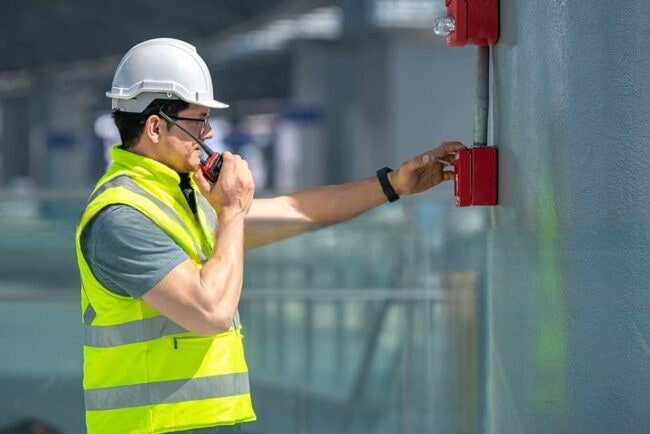
- Current ECO roster with deputies for every role, noticeable contact information, and change coverage verified. Up-to-date floor plans and fire sign panel area maps, published and digital, checked versus reality within the last quarter. Radios tested weekly, extra batteries on hand, and common phone call indications made use of in practice. Documented assisted-evacuation strategy with named pairings, emptying chairs put near stairs, and wardens trained to use them. Drills go for different times with post-drill reports that drive specific enhancements, not generic lessons.
Where PUAFER006 meets culture
The toughest emergency programs reside in the society, not just in binders. Wardens really feel respected, not offered as home window dressing. Owners treat drills as practice, not a break. Monitoring backs the chief warden's authority and funds the unglamorous fixes. When that culture is present, the inquiry "what colour helmet does a chief warden wear?" comes to be second to a much more powerful one: "Who can I depend on to make the best telephone call?"
Whether your site labels the role as chief warden, chief fire warden, or chief emergency warden, the significance of PUAFER006 is management under pressure. Couple it with durable warden training under PUAFER005, keep honing via reasonable exercises, and deal with every drill as a wedding rehearsal for a chief fire warden skills training day you wish never ever shows up. If that day comes, the habits you construct now will certainly carry individuals to security, and that is the only metric that matters.